Tag: AI chatbot Sri Lanka

  • Chatbot for business Sri Lanka

    Chatbot for business Sri Lanka

    The New Era of Customer Service: Finding the Best Chatbot for Business in Sri Lanka

    Step into any office or retail store in Sri Lanka, and you will see the exact same sight: employees glued to their screens, frantically typing out responses to messages. From retail brands in Colombo to B2B services, keeping up with customer messages has become an absolute nightmare.

    Sri Lankan consumers have completely abandoned traditional emails and contact forms. They don’t want to wait. Instead, they flood your Facebook Messenger, Instagram DMs, and WhatsApp business accounts with the exact same questions over and over again: “How much?”, “Is this item in stock?”, “Where is your shop located?”, “Do you deliver to Kandy?”

    If your team takes even thirty minutes to reply, that customer has already moved on to another business page.

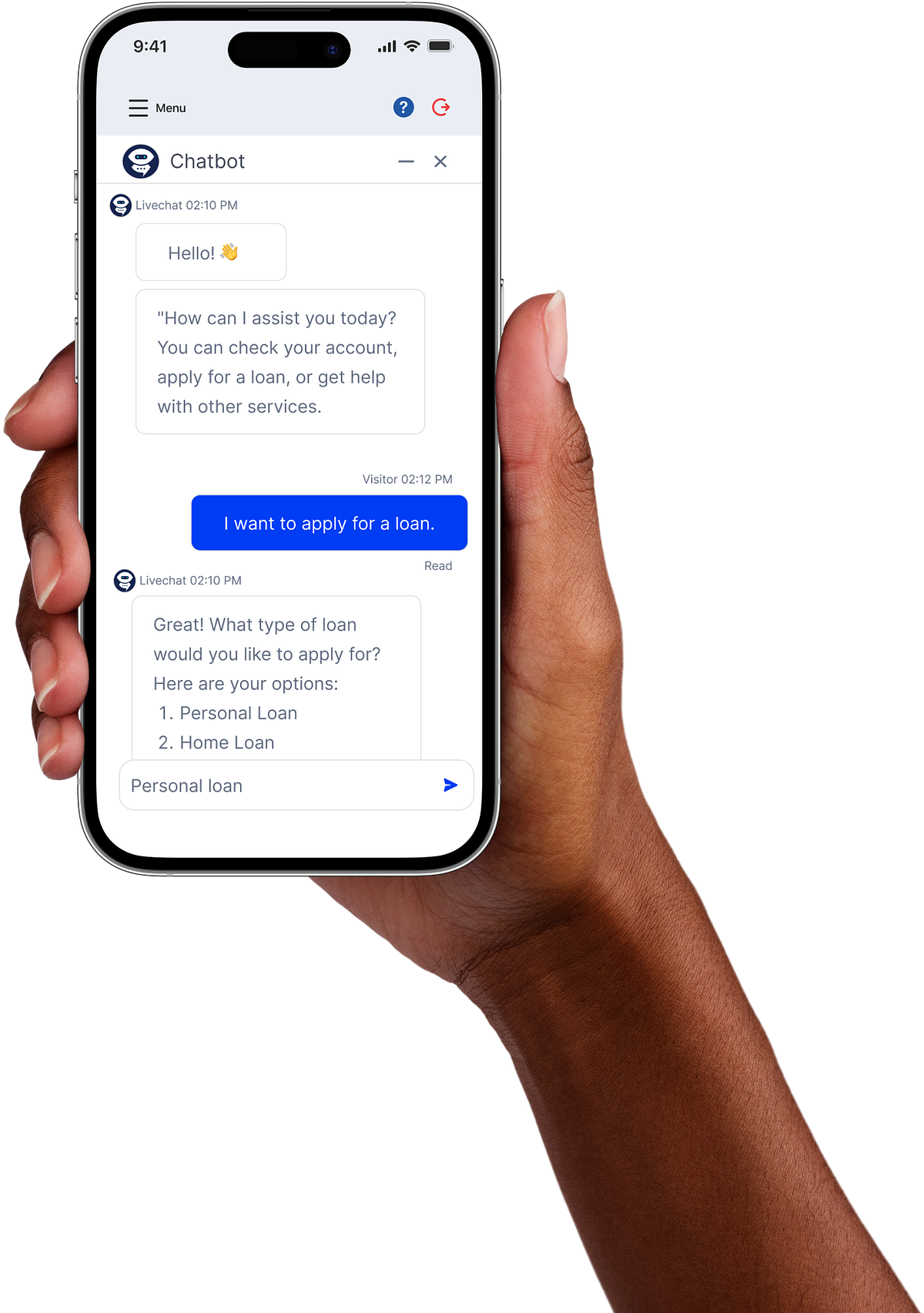
    While you might hear global tech experts talking about fancy terms like “Autonomous AI Agents,” let’s keep it practical for the local market. What your enterprise actually needs to scale is a highly advanced, intelligent chatbot for business in Sri Lanka.

    By letting a smart chatbot handle the heavy lifting, you can keep your business open 24/7, respond to customers instantly, and stop letting valuable leads slip through your fingers.

    Why Basic Chatbots Frustrate Customers (and How to Do It Better)

    Many local business owners have tried setting up basic, free chatbots in the past, only to turn them off a week later out of pure frustration.

    Standard, old-school chatbots rely on rigid “button-based” rules. If a customer types a question that doesn’t exactly match a pre-set button, the chatbot breaks down, giving robotic responses like, “Sorry, I didn’t understand that. Please click a button.” This infuriates local users who just want direct, fast answers.

    The modern solution is an intelligent, conversational chatbot trained specifically on your data. Instead of forcing customers to click predictable menu options, a smart chatbot actually reads and understands natural language. It can comprehend local context, interpret conversational phrasing, and provide a fluid, human-like answer instantly.

    The Core Benefits of Deploying a Business Chatbot in Sri Lanka

    Upgrading your digital front desk to a tailored, conversational chatbot unlocks major competitive advantages for Sri Lankan brands:

    1. Instant 24/7 Availability

    Your human team needs to sleep, take weekends off, and enjoy Avurudu or Christmas holidays. A chatbot doesn’t. Since the vast majority of Sri Lankans browse social media and shop late into the evening, an active chatbot ensures you instantly capture and lock in late-night sales while your competitors are fast asleep.

    2. Radical Reduction in Operational Costs

    Instead of hiring a massive team of customer support agents to work rotating night shifts, a single intelligent chatbot can handle thousands of customer conversations simultaneously. This allows you to run a much leaner team, dramatically lowering your monthly overhead costs while boosting efficiency.

    3. Native Trilingual and “Singlish” Understanding

    The biggest hurdle for local customer service is language. Advanced business chatbots can be fully trained to understand and reply naturally in English, Sinhala ( under Beta testing), and Tamil. Even better, they can accurately interpret “Singlish” or text where local users mix languages mid-sentence, ensuring a seamless experience for every single demographic.

    💬 Transform Your Customer Support on Autopilot

    Stop letting delayed replies drain your business profits. At Taskforce AI, we build ultra-intelligent, custom chatbots designed specifically to handle the unique language patterns and operational needs of Sri Lankan businesses.

    See a live setup built for your brand. Call our official Taskforce AI hotline right now at 077 669 7566 to chat with our automation team and book your free live demonstration.

    How Smart Chatbots Integrate Into Your Existing Workflows

    A truly effective business chatbot doesn’t just sit on your Facebook page answering basic questions—it actively works in the backend to drive revenue.

    Because we build our custom systems to connect directly with your existing infrastructure, your chatbot can talk to your Google Sheets, website backend, Shopify inventory, or local delivery trackers.

    If a customer asks if a specific dress is available in medium, the chatbot instantly checks your live stock levels and replies within a second. If a diner wants to book a table or a client wants to schedule a consultation, the chatbot checks your calendar, logs the booking, and sends an automated confirmation text without a single human employee lifting a finger.

    If an inquiry ever becomes too complex or highly sensitive, the chatbot intelligently pauses and automatically hands the conversation over to a live staff member to take over.

    Give Your Business the Ultimate Unfair Advantage

    In a market where speed is everything, the business that replies first wins the customer. Don’t let manual typing bottlenecks slow down your company’s growth. Embrace automation, elevate your customer experience, and let your team focus on high-value business operations.

    Ready to step into the future of automated sales? Contact Taskforce AI today at 077 669 7566 to schedule your free live demonstration and discover how a custom chatbot can revolutionize your business.

    Frequently Asked Questions

    1. What platforms can a Taskforce AI chatbot be deployed on?

    Our intelligent chatbots can be deployed across all your primary customer touchpoints simultaneously. This includes your official website, WhatsApp Business API, Facebook Messenger, and Instagram Direct Messages. All incoming conversations are managed seamlessly under one unified system.

    2. Can the chatbot accurately understand Sinhala, Tamil, and typed Singlish?

    Yes! Our systems are optimized heavily for the Sri Lankan audience. The chatbot easily understands formal text in English, Sinhala, and Tamil, and is highly proficient at reading casual, conversational “Singlish” or mixed-language phrases that local customers commonly use when texting.

    3. Will implementing a chatbot mean I have to fire my customer service team?

    Not at all. Instead of replacing your team, a chatbot acts as their ultimate assistant. By instantly answering 80% to 90% of repetitive, everyday FAQs, it frees up your human staff from boring copy-paste work so they can focus on closing premium sales and resolving complex customer issues.

    4. Can the chatbot process orders and check live stock levels?

    Absolutely. We specialize in building advanced workflow integrations. Your chatbot can connect directly to your CRM, ERP, Google Sheets, or e-commerce platform (like Shopify or WooCommerce) to pull real-time inventory levels, log customer data, and process incoming leads instantly.

    5. How hard is it to update the information the chatbot uses?

    It is incredibly simple. The chatbot pulls its knowledge from a centralized, secure data repository built for your business. If your prices change, you open a new branch, or you update your delivery policies, you simply update the central document, and the chatbot instantly learns the new information.

    Taskforce AI – Explore Our Solutions: Visit taskforceai.tech

    Chat with us on WhatsApp (0776697566)
  • Implimenting Arabic Voice Ai for business success

    Implimenting Arabic Voice Ai for business success

    Implementing Voice AI: Best Practices for Business Success

    Voice AI has moved from experimental pilots to mission-critical infrastructure for customer-facing and operations-heavy teams. Enterprises in finance, healthcare, insurance, and SaaS are already using AI voice agents to cut service costs by 20–30%, reduce queue times by up to 50%, and boost customer satisfaction by around 30% when implemented correctly. Done poorly, though, voice AI can hurt your brand, frustrate customers, and waste budget. This guide walks you through how to implement Voice AI the right way – from strategy and architecture to rollout, measurement, and continuous improvement.

    Why Voice AI Is Now a Business-Critical Capability

    Analysts and operators agree: AI will underpin the majority of customer interactions within just a few years.

    • Gartner projects that by 2026, 70% of customer interactions will involve AI technologies, up from just 15% in 2023.
    • In 2026, voice AI is being deployed at scale, not just as basic IVR but as agentic systems that understand context, plan multi-step workflows, and autonomously complete tasks.
    • Organizations using AI-powered customer service report:
      • 20–30% operational cost reductions
      • 35% lower call handling time
      • Up to 50% shorter queues
      • Around 30% higher customer satisfaction scores when adoption is well executed.

    Voice AI is not just about answering calls. It is about automating workflows across the entire customer journey:

    • Authenticating users and routing them to the right flow
    • Executing transactions (payments, bookings, changes)
    • Updating CRM and ticketing systems automatically
    • Handing off seamlessly to humans with full context when needed

    Because AI is now embedded directly into CRMs, ERPs, contact centers, and analytics platforms, it is becoming a default interaction layer rather than an add-on.

    The opportunity is clear: lower costs, higher quality service, and new always-on experiences. The challenge is implementation. That starts with defining the right problems to solve.

    Start with Business Outcomes, Not Technology

    A successful Voice AI rollout is a project, not a product – and it lives or dies by how clearly you define the business problem.

    Clarify the Jobs-to-Be-Done

    Before you touch tools, answer:

    • Which calls should never reach a human?
    • Where are we losing the most time or money on the phones today?
    • What does “good” look like for our customers and our agents?

    Audit recent calls and categorize them:

    • High-volume, low-complexity
      Examples: FAQs, order status, appointment scheduling, password resets, simple policy questions.
    • Medium-complexity with structured workflows
      Examples: payment plans, basic troubleshooting, pre-qualification flows, intake and data collection.
    • High-complexity, high-empathy
      Examples: escalations, complaints, retention saves, complex medical or financial advice.

    Voice AI is most effective when it automates the first two categories and intelligently routes the rest to humans.

    Choose 1–2 High-Impact Use Cases

    Teams that try to automate everything at once usually stall. Leading implementations start with a single measurable use case.

    Examples of automation-ready Voice AI use cases:

    • Inbound:
      • “Where is my order?” or “What’s my balance?”
      • Appointment scheduling and rescheduling
      • Policy or subscription information lookups
    • Outbound:
      • Payment reminders and collections
      • Appointment confirmation and rebooking
      • Proactive status updates (claims, deliveries, onboarding milestones)

    Filter candidate use cases with three questions:

    1. Volume: Does this represent a meaningful percentage of total calls?
    2. Structure: Is the conversation mostly rule- or workflow-based?
    3. Risk: If the AI makes a mistake, what is the downside?

    You want high-volume, structured, low- to medium-risk flows for your first deployment.

    Define Clear Success Metrics Before You Build

    Voice AI is only “successful” if it changes meaningful KPIs. Define your target metrics up front:

    • Containment rate: % of calls resolved by the AI without human transfer
    • Average handle time (AHT): AI vs human
    • Queue time and abandonment rate
    • Customer satisfaction (CSAT / NPS) on AI-handled calls
    • Cost per resolved interaction
    • Revenue metrics: conversion rate, upsell or cross-sell where applicable

    High-performing organizations don’t just track these – they connect AI metrics to EBIT impact, and that is how they achieve >5% profit uplift from AI programs.

    Designing a Voice AI Strategy That Fits Your Organization

    Once the use case and metrics are clear, design a strategy that fits your scale, risk profile, and technical capacity.

    Align Stakeholders Early

    Voice AI crosses multiple functions:

    • Customer support / operations
    • IT / engineering
    • Security and compliance
    • Legal and risk
    • Sales, marketing, or product (depending on use case)

    Treat Voice AI like any other major system implementation:

    • Assign an executive sponsor who owns business outcomes.
    • Nominate a product owner for the AI voice agent.
    • Involve frontline agents early – they know the edge cases and failure modes.

    Organizations that treat AI deployment as cross-functional transformation, not an isolated tech experiment, are the ones that scale successfully.

    Choose the Right Platform Category

    2026 Voice AI tooling falls broadly into three buckets:

    1. Full-stack voice AI platforms
      • Handle telephony, speech-to-text, NLU, orchestration, text-to-speech, and analytics in one stack.
      • Offer sub-second latency and enterprise-grade compliance, sometimes on-prem or private cloud for strict data controls.
      • Best if you want deep voice automation as a core capability and have multiple use cases.
    2. Contact center and CRM-integrated voice agents
      • Built directly into CCaaS or CRM platforms.
      • Strong out-of-the-box integrations for routing, screen pops, and logging.
      • Best for teams prioritizing speed-to-value over deep customization.
    3. Developer-first platforms and APIs
      • Offer maximum flexibility and model control, but require heavy engineering investment.
      • Suitable if you have in-house ML / voice expertise and unique requirements.

    When evaluating platforms, score them against:

    • Latency tolerance: Real-time voice needs <300 ms round-trip for natural turn-taking.
    • Security and compliance: SOC 2, ISO 27001, HIPAA / GDPR, data residency controls.
    • Integration depth: CRM, ticketing, billing, EHR, scheduling, internal APIs.
    • Customizability: Conversation design tools, prompt control, model tuning.
    • Governance: Access controls, audit logs, redaction tools, change management.

    Map these against your use cases, internal skills, and risk posture before you commit.

    Data and Conversation Design: The Core of a Good Voice Experience

    Voice AI is only as good as the data and conversational design behind it. Rushing past this step is one of the most common reasons pilots fail.

    Build a Strong Data Foundation

    Use real conversations as your primary training source:

    • Export call recordings and transcripts from the last 3–12 months.
    • Label:
      • Intent (why they called)
      • Entities (names, dates, account numbers)
      • Outcomes (resolved, escalated, abandoned)
    • Capture both successful and failed interactions – edge cases matter.

    Supplement with:

    • Help articles, product docs, and FAQs
    • Process documentation and internal runbooks
    • Knowledge base content that agents currently use

    Treat this like a software pipeline:

    • Split into training, validation, and test sets.
    • Maintain an annotation guide so multiple labelers are consistent.
    • Version your datasets and training runs so you can roll back models if needed.

    Design Conversations, Not Just Intents

    Modern systems support natural turn-taking, barge-in, and context memory, but you still need intentional design.

    Key principles:

    • Set expectations early
      Make it clear that the caller is talking to an AI assistant, what it can do, and how to reach a human.
    • Use short, simple prompts
      Speak in plain language, avoid nested questions, and prefer one decision at a time.
    • Design for interruptions
      Assume callers will talk over the bot. Your system should handle barge-in gracefully and maintain context.
    • Confirm critical data
      Repeat back key details like amounts, dates, or account changes and ask for confirmation to reduce errors.
    • Provide fast exits
      Always offer a way to reach a human or switch channels (SMS, email, chat) when the AI is stuck.

    Leading platforms now incorporate emotional intelligence – detecting frustration, urgency, or satisfaction in real time and using that to adapt responses or escalate to humans. Even if you do not deploy advanced emotion models initially, design your flows so that:

    • Multiple misunderstandings trigger a handoff.
    • Repeated expressions of frustration are recognized and prioritized.

    Architect for Omnichannel and Continuity

    AI voice agents are increasingly multimodal, blending voice, text, and even visual content. Design with that in mind:

    • Allow conversations started on the phone to continue via SMS or messaging without losing context.
    • Store conversation state in your CRM or conversation platform so interactions can pause and resume across channels.
    • Reuse intents, business logic, and knowledge across voice, chat, and email where possible.

    This makes your Voice AI more than a point solution – it becomes part of a coherent customer experience fabric.

    Technical Implementation Best Practices

    With strategy and design in place, you can define your technical architecture and execution plan.

    Understand the Core Architecture

    Even if you use an all-in-one platform, it helps to understand the core components:

    • Telephony / SIP / PSTN
      Handles inbound and outbound calls.
    • Automatic Speech Recognition (ASR / STT)
      Converts audio to text, ideally optimized for your domain and accents.
    • NLU / Orchestration
      Interprets intent, manages context, and decides which workflow or tool to call.
    • Business logic layer
      Connects to your existing systems (CRM, EHR, billing, scheduling, knowledge base APIs).
    • Text-to-Speech (TTS)
      Converts responses back to natural-sounding speech; low latency is critical.
    • Analytics and monitoring
      Tracks KPIs like containment, error rates, and user sentiment; powers continuous improvement.

    Ask your vendors detailed questions about each layer: how it works, where it runs, and how you can configure or replace it.

    Prioritize Security, Privacy, and Compliance

    As voice AI moves into regulated industries like healthcare and financial services, compliance is non-negotiable.

    Best practices:

    • Encrypt data in transit and at rest (voice, transcripts, logs).
    • Use data minimization and redaction for PII and sensitive fields.
    • Verify certifications (SOC 2, ISO 27001, HIPAA business associate agreements where needed).
    • Clarify data ownership and retention:
      • Who owns the recordings and models trained on them?
      • Can the vendor train global models on your data?
      • How long is data kept and how is it deleted?

    Voice biometric security is also going mainstream – using unique voiceprints for frictionless authentication and fraud reduction, especially in BFSI and healthcare settings. If you operate in high-risk domains, consider:

    • Voice-based identity verification
    • Anomaly detection on call patterns
    • Strong governance for who can access raw audio and transcripts

    Integrate Deeply with Your Existing Systems

    The value of Voice AI emerges when it is tightly integrated with your operational stack.

    Focus on:

    • CRM and ticketing: Auto-log calls, outcomes, and notes directly onto customer records.
    • Scheduling systems: Real-time calendar access for bookings and rescheduling.
    • Billing / payments: Secure payment flows via PCI-compliant providers.
    • Knowledge bases: Dynamic retrieval from docs and FAQs to keep content fresh.
    • Analytics and BI: Feed call-level metrics into your existing dashboards.

    In 2026, AI is expected to be embedded into the tools teams already use, not run as an isolated bot. Plan your architecture so Voice AI calls your systems – not the other way around.

    Phased Rollout: From Pilot to Predictable Production

    High-performing teams follow a disciplined, phased rollout rather than a big-bang launch.

    Phase 1: Discovery and Design

    • Finalize use cases and success metrics.
    • Map current call flows and escalation paths.
    • Collect and label training data.
    • Choose your platform and integration approach.
    • Design conversation flows and human handoff paths.

    Phase 2: Prototype and Internal Testing

    • Build a minimum viable conversation for your primary use case.
    • Test internally with employees acting as customers.
    • Iterate on:
      • Recognition accuracy
      • Latency and turn-taking
      • Edge-case handling
    • Run red-team style tests to try to break the system.

    Phase 3: Controlled Live Pilot

    Industry best practice is to route a small percentage of real calls to the AI first.

    A common pattern:

    • Send 10% of relevant calls to the AI agent.
    • Keep 90% on human agents for comparison.
    • Measure:
      • Containment rate
      • CSAT vs human-handled calls
      • AHT and first-contact resolution
      • Error and escalation rates

    If performance is worse than humans, refine flows and models before you scale. If performance is comparable or better, proceed to the next phase.

    Phase 4: Scale with Guardrails

    As your Voice AI proves reliability, gradually increase volume:

    • Move from 10% → 25% → 50% → 80–90% of eligible calls.
    • Expand to adjacent use cases (e.g., add outbound reminders once inbound status calls are working).

    Maintain strong guardrails:

    • Clear escalation rules when confidence is low or frustration is detected.
    • Live dashboards for uptime, latency, and containment.
    • Human “assist” tools so agents see AI suggestions or history when calls transfer.

    Avoid the trap of “set it and forget it”. Complexity grows as you scale, and without governance, performance drifts.

    Phase 5: Continuous Improvement and Governance

    Treat Voice AI like a product you continually ship and improve:

    • Use active learning:
      • Flag low-confidence or failed calls.
      • Send them to a human-in-the-loop review queue.
      • Label and retrain on a regular cadence.
    • Run A/B tests:
      • Try alternative prompts or flows.
      • Experiment with different escalation thresholds.
      • Measure impact on KPIs, not just model metrics.
    • Maintain a change log:
      • Document updates to prompts, flows, and models.
      • Track the effect of changes on performance.

    Organizations that embed AI into operational processes and Responsible AI frameworks report higher ROI, better efficiency, and improved customer experience.

    Measuring ROI and Proving Business Value

    To secure ongoing investment, Voice AI must demonstrate clear financial and experiential impact.

    Core KPI Framework

    Track performance on three levels:

    1. Operational efficiency
      • Containment rate
      • AHT reduction
      • Queue time and abandonment
      • Calls per agent per day (after automation)
    2. Customer and agent experience
      • CSAT / NPS on AI calls
      • Escalation sentiment (do customers feel helped?)
      • Agent satisfaction (less repetitive work, better tools)
    3. Financial outcomes
      • Cost per resolved interaction
      • Total support or contact center cost savings
      • Revenue uplift (conversion, upsell, retention)
      • EBIT impact for leadership reporting

    Example ROI Logic

    Consider a simple inbound support use case:

    • 100,000 relevant calls per month
    • Human cost per call (wages + overhead): $5
    • Voice AI can safely handle 60% of those calls at a fully loaded cost of $1.50 per call

    Rough monthly savings:

    • Human-only baseline cost: 100,000 × $5 = $500,000
    • With AI:
      • 60,000 calls × $1.50 = $90,000
      • 40,000 calls × $5 = $200,000
        → New cost: $290,000
    • Savings: $210,000 per month before factoring in secondary effects like higher CSAT or lower churn.

    Real-world case studies report 20–30% cost reductions and significant CX improvements when voice AI is properly integrated into workflows and measured against clear KPIs.

    Common Pitfalls (and How to Avoid Them)

    Even with strong technology, many Voice AI projects underperform due to avoidable mistakes.

    Pitfall 1: Technology-First, Problem-Second

    Buying a tool and then looking for problems to solve leads to:

    • Low adoption
    • Shallow use cases
    • Disconnected experiences

    Avoid it: Start with concrete business outcomes and KPIs, then choose tools that fit.

    Pitfall 2: Treating Voice AI Like a Static IVR Script

    Legacy IVR thinking – fixed menus, rigid scripts – does not leverage modern AI capabilities.

    Avoid it:

    • Use natural language instead of menu trees.
    • Design for turn-taking and interruptions.
    • Continuously retrain and refine based on real interactions.

    Pitfall 3: Ignoring Human Handoffs

    Bad handoffs are one of the fastest ways to erode trust:

    • Customers repeating information
    • Agents lacking context
    • Lost or dropped transitions

    Avoid it:

    • Pass full conversation history and key fields to agents.
    • Let customers know they’re being transferred and why.
    • Give agents tools to see AI suggestions and previous steps.

    Pitfall 4: No Governance or Responsible AI Practices

    Without governance, you risk:

    • Compliance violations
    • Biased or unsafe responses
    • Model drift and quality degradation

    Avoid it:

    • Define acceptable use, escalation rules, and safety constraints.
    • Audit prompts, flows, and logs regularly.
    • Involve legal, risk, and compliance in design and updates.

    Pitfall 5: Underinvesting in Change Management

    Agents may see AI as a threat, and customers may be skeptical if you do not manage expectations.

    Avoid it:

    • Train agents on how AI supports them (not replaces them).
    • Involve frontline teams in design and testing.
    • Communicate clearly to customers about capabilities and benefits.

    Preparing Your Teams and Customers for Voice AI

    Voice AI changes how work is done across your organization.

    Upskill Your Workforce

    As automation increases, humans focus on:

    • Complex, high-empathy interactions
    • Edge cases and exception handling
    • Supervising AI performance and quality

    New roles often emerge:

    • AI conversation designers
    • AI operations / enablement analysts
    • Data annotators and reviewers

    Invest in training and clear career paths so your teams see AI as an enabler, not a threat.

    Set Clear Expectations with Customers

    Customers are increasingly comfortable with AI – 81% of consumers have used healthcare bots or voice agents for support – but they also expect transparency.

    Best practices:

    • Clearly identify AI agents as non-human at the start of the call.
    • Explain what the AI can do and how to get to a human.
    • Offer opt-outs or alternative channels where appropriate.
    • Respect accessibility requirements: speech clarity, language support, and options for people with disabilities.

    Organizations that embed Responsible AI principles into their deployments report both higher ROI and better customer trust.

    Turning Voice AI into a Long-Term Competitive Advantage

    Voice AI is now a strategic advantage, not a novelty feature. By grounding your implementation in clear business outcomes, strong data and conversation design, robust technical architecture, and disciplined rollout and governance, you can:

    • Reduce service and operations costs at scale
    • Deliver 24/7, high-quality customer experiences
    • Free human experts to focus on the interactions that truly require them
    • Build a defensible operational moat that is hard for competitors to copy

    From here, the next step is to translate these best practices into an execution roadmap tailored to your organization – prioritizing the right use cases, platforms, and integration patterns for your stack and your risk profile. A specialized Voice AI and automation partner can help you move faster while avoiding common pitfalls and ensuring your deployments are secure, compliant, and ROI-positive from the start.

    If you are ready to explore what a production-grade Voice AI deployment could look like across your customer service, sales, or operations teams, consider engaging with an AI consultancy that combines enterprise-grade engineering with practical, business-first strategy to guide you from pilot to full-scale transformation.

    Taskforce AI – Explore Our Solutions: Visit taskforceai.tech

    Chat with us on WhatsApp (0776697566)

  • Integrating Voice AI into Customer Support Strategies

    Integrating Voice AI into Customer Support Strategies

    Integrating Voice AI into Customer Support Strategies

    Voice AI is revolutionizing customer support by replacing outdated IVR systems with natural, conversational interactions that resolve issues faster and cut costs dramatically. Businesses adopting Voice AI in 2026 report up to 35% reductions in call handling time30% boosts in customer satisfaction, and 20-30% operational cost savings, making it essential for scaling support without expanding headcount.

    Customers demand instant, seamless service across channels, with 51% preferring bots for immediate assistance and 82% opting for AI over waiting for agents. At taskforceai.tech, we specialize in deploying these advanced Voice AI agents tailored for enterprise contact centers, blending cutting-edge tech with human oversight to deliver measurable ROI. This guide breaks down how to integrate Voice AI strategically, backed by the latest 2026 data, so you can enhance First Contact Resolution (FCR), slash Average Handle Time (AHT), and elevate CSAT scores.

    Why Voice AI is the Future of Customer Support in 2026

    Traditional phone support struggles with high volumes, long wait times, and escalating costs. Voice AI changes that by enabling agentic AI systems-autonomous agents that handle entire conversations, from intent detection to resolution. By 2026, one in ten customer service interactions will be fully automated by these systems, with 23% of organizations already scaling them.

    Key drivers include:

    • Generative AI advancementsNatural Language Understanding (NLU) and retrieval-augmented generation (RAG) ensure accurate, context-aware responses tuned to your brand voice.
    • Customer preferences56% of customers believe bots will converse naturally by 2026, and 67% value empathy and creativity in AI agents.
    • Proven metrics: Contact centers see 23.5% cost per contact reductions and 4% revenue increases with conversational Voice AI.

    Forrester predicts one in four brands will boost simple self-service by 10% via intelligent voice agents, driven by 78% trust in AI outputs among decision-makers. Unlike basic chatbots, Voice AI excels in phone channels, handling interruptions, accents, and complex queries with real-time sentiment analysis.

    Core Benefits of Voice AI Integration

    Integrating Voice AI yields immediate, quantifiable wins. Here’s how it transforms operations:

    • Cost Efficiency: AI handles 80% of routine inquiries, freeing agents for high-value tasks. Companies like NIB saved $22 million by cutting human support needs by 60%.
    • Speed and Resolution45% reduction in call handling time and 44% faster resolutions are standard. Klarna slashed issue resolution from 11 to 2 minutes-an 82% improvement.
    • Customer Satisfaction30% CSAT increases, with 80% of users reporting positive experiences.
    • Scalability: Manage peak volumes without hiring, with queue time drops up to 50%.

    MetricImprovement with Voice AISourceAHT35-45% reductionFCRUp to 52% increaseCost per Contact20-30% savingsCSAT30% boostDeflection Rate70-80% for routine queries

    These gains position Voice AI as a core channel, not an add-on, especially in retail (21.2% adoption) and high-volume contact centers.

    Step-by-Step Guide to Integrating Voice AI

    Successful integration starts with assessment and ends with optimization. Follow this roadmap, drawn from top 2026 deployments.

    Step 1: Assess Your Current Support Stack

    Audit gaps in FCRAHT, and containment. Identify high-volume queries like order tracking or billing-ideal for Voice AI automation. Tools with unified data layers ensure seamless omnichannel handoffs (voice, chat, email).

    Pro Tip: Prioritize vendors with no-code workflow builders for quick deployment, like those at taskforceai.tech.

    Step 2: Choose the Right Voice AI Platform

    Select based on production performance, not demos. Top 2026 options emphasize human-AI collaborationsentiment detection, and CRM integrations.

    Recommended features:

    • Natural voice synthesis (e.g., ElevenLabs integration) for empathetic, interruption-friendly talks.
    • Agentic workflows: Multi-step reasoning for complex tasks.
    • Compliance guardrails: GDPR-ready with privacy-by-design.
    • Analytics: Side-by-side AI/human metrics for QA.

    Platforms like those evaluated in 2026 buyer’s guides score high on G2 ratings (4.3-4.8) for mid-market to enterprise needs.

    Step 3: Pilot and Deploy with Quick Wins

    Start small: 20-100 calls on routine issues. Validate resolution depthbrand tone, and integrations (SIP, Twilio, CRMs).

    • Use case prioritization:
      1. Inbound support: FAQs, status checks (70-80% deflection).
      2. Outbound proactive: Reminders, churn prevention.
      3. Lead qualification15-25% sales ROI.

    Expect 37% faster first responses and 52% resolution speed-ups post-pilot.

    Step 4: Enable Seamless Human-AI Handoffs

    Intelligent routing based on sentiment, urgency, or complexity ensures skill-based assignments, cutting AHT by 40%Real-time sentiment analysis flags frustration for instant escalations.

    Step 5: Leverage Proactive and Predictive AI

    Combine Voice of the Customer (VOC) with CRM data for preemptive outreach. This boosts self-service successdigital deflection, and prevents tickets. Predictive AI anticipates issues across channels, improving CSAT while dropping backlogs.

    Step 6: Measure, Optimize, and Scale

    Track KPIs with AI QA for 100% interaction reviews. Fine-tune LLMs for tone and use RAG for accuracy. Scale to 40-50% automation as maturity grows.

    Real-World Case Studies and ROI Examples

    • Retail Giant: Deployed Voice AI for order tracking, achieving 71% consumer usage for product research and 50% queue reductions.
    • Health Insurer (NIB)$22M savings60% less human support15% fewer calls.
    • Lyft87% resolution time drop via AI integration.
    • ServiceNow: AI agents handle 80% inquiries52% faster complex cases$325M annualized value.
    • H&M70% response time cuts with GenAI chatbots, extensible to voice.

    These cases show Voice AI delivers 30-50% cost savings on support automation alone.

    Overcoming Common Integration Challenges

    Deployment isn’t glamorous-Forrester notes service quality may dip initially due to complexity. Address hurdles:

    • Voice Quality: Choose platforms handling accents, noise, and interruptions.
    • Adoption Resistance: Train agents on copilot tools; 84% report easier ticketing.
    • Data Privacy: Implement guardrails for GDPR compliance.
    • ROI Measurement: Focus on EBIT impact-top performers redesign workflows for 5%+ gains.

    Start with conversational pricing to avoid per-minute traps.

    Emerging Trends Shaping Voice AI in 2026

    • Agentic Evolution: From copilots to full autonomy, with omnichannel unification.
    • Hyper-Personalization: CDPs + GenAI for real-time tailoring.
    • Multilingual Scale: Global support with time-zone routing.
    • Market Growth: Voice AI agents market hits $47.5B by 2034; conversational AI CAGR at 18.66%.

    67% of consumers engaged chatbots last year, signaling voice’s rise.

    Build Your Voice AI Strategy with Taskforce AI

    Integrating Voice AI positions your support as AI-first, human-backed, driving efficiency and loyalty in 2026. Audit your stack today, pilot quick wins, and scale with proven platforms to unlock FCR gainsAHT reductions, and superior CSAT.

    Ready to transform your customer support? Explore our enterprise-grade Voice AI solutions at taskforceai.tech and book a demo to see 23.5% cost drops in action. Your path to proactive, scalable service starts now.

    Taskforce AI – Explore Our Solutions: Visit taskforceai.tech

    Chat with us on WhatsApp (0776697566)

  • Automate your Business in Sri Lanka in 30 Days.

    Automate your Business in Sri Lanka in 30 Days.

    Automate your Business in Sri Lanka in 30 Days.

    92% of Sri Lankan business owners work over 50 hours a week on tasks a computer could handle in minutes. You’re probably reading this at 9 PM, drowning in emails, manually updating spreadsheets, and wondering when you’ll actually get to work ON your business instead of IN it. Here’s the reality: while you’re burning out on repetitive tasks, your competitors are implementing AI automation that’s freeing up 20+ hours weekly. This isn’t about replacing humans – it’s about unleashing your potential to focus on strategy, growth, and actually enjoying your business again. Today, I’m sharing the exact 30-day automation roadmap we use with Sri Lankan businesses from Colombo to Galle. These aren’t complex AI projects requiring months of development. These are quick wins you can implement before your next tea break.

    Week 1: The Communication Revolution

    Let’s start with the biggest time-waster in every Sri Lankan business: email and customer communications. You know the drill – the same questions flooding your inbox, the scheduling back-and-forth that takes longer than the actual meeting, the follow-ups you forget to send. Here’s what most Sri Lankan businesses don’t realise about AI: modern tools can handle 80% of your customer communications automatically, while sounding completely human.

    Day 1-3: Email Automation That Actually Works Set up intelligent email sequences using tools like ActiveCampaign or Mailchimp’s AI features. But here’s the twist – we’re not talking about generic newsletters. I’m talking about behaviour-triggered automations that respond to exactly what your customers do. Take Nadeesha from Colombo Wellness Studio. She was spending 2 hours daily responding to booking inquiries. Now her AI system: Instantly sends detailed service information based on the inquiry type Automatically follows up with pricing 24 hours later Books consultation calls directly into her calendar Sends preparation emails before each appointment Quick Implementation: Right now, identify your three most common customer questions. Create template responses and set up auto-replies. Takes 15 minutes, saves 5+ hours weekly.

    Day 4-7: Calendar Automation Revolution Stop playing email tennis with meeting scheduling. Tools like Calendly or Acuity Scheduling integrate with AI to not just book meetings, but prepare for them automatically. Rohan’s Nawala accounting firm increased consultation bookings by 340% simply by removing friction. Prospects now book, receive automated preparation materials, and Rohan gets AI-generated briefings before each call.

    Week 2: Data & Analytics on Autopilot

    Your business generates thousands of data points daily. Customer interactions, sales patterns, website behaviour, social media engagement. Right now, you’re either ignoring this goldmine or manually compiling reports that are outdated before you finish them.

    Day 8-10: Dashboard Automation Connect your systems using Zapier or Make.com to create real-time dashboards. No coding required – seriously. TechParts Lanka in Gampaha used to spend Monday mornings compiling weekly reports from five different systems. Now their automated dashboard updates every 15 minutes, showing: Real-time inventory levels Customer satisfaction scores Sales performance by region Production efficiency metrics “We saved 8 hours weekly on reporting alone. Now Monday mornings are for strategic planning, not data entry.” – Kasun, TechParts Lanka Operations Manager.

    Day 11-14: Predictive Analytics Implementation. This is where automation gets exciting. Tools like Microsoft Power BI or Tableau with AI features don’t just show you what happened – they predict what’s coming. A Kandy retail chain we work with now knows which products to reorder three weeks before running low, based on seasonal patterns, local events, and customer behaviour. No more emergency orders or missed sales. Quick Implementation: Start with Google Analytics 4’s automated insights. It’ll immediately highlight unusual patterns and opportunities you’re missing.

    Week 3: Sales & Marketing Automation That Converts

    Here’s the thing about Sri Lankan businesses – you’re brilliant at what you do, but marketing often feels like shouting into the void. AI automation changes that completely.

    Day 15-18: Lead Nurturing That Never Sleeps Set up intelligent lead scoring and nurturing sequences that adapt based on prospect behaviour. When someone visits your pricing page three times, downloads a case study, then checks your testimonials, that’s not coincidence – that’s buying intent. CloudFlow Solutions in Nugegoda implemented behaviour-triggered sequences that: Identify hot prospects automatically Send perfectly timed follow-ups Alert sales team when leads are ready Nurture cold leads until they warm up Result? 280% increase in qualified leads without increasing marketing spend.

    Day 19-21: Social Media on Autopilot Tools like Buffer AI or Hootsuite’s AI features don’t just schedule posts – they optimise timing, suggest content, and engage with your audience automatically. The numbers are clear – businesses using AI social media tools see 3x higher engagement rates than those posting manually.

    Week 4: Advanced Process Automation

    By now, you’re saving serious time on communications, reporting, and marketing. Week 4 is about automating the complex stuff that really moves the needle.

    Day 22-25: Invoice & Payment Automation Integrate tools like Xero with AI-powered payment systems. Invoices generate automatically, send payment reminders, process payments, and update your books without human intervention. BuildSmart Construction in Mount Lavinia reduced their payment collection time from 45 days to 12 days through intelligent payment automation and follow-up sequences.

    Day 26-28: Customer Service Revolution Implement AI chatbots that actually help customers instead of frustrating them. Modern AI understands context, remembers conversations, and seamlessly hands complex issues to humans. Takes less time to set up than your Monday morning meetings, but transforms customer experience overnight.

    Day 29-30: Workflow Integration Connect everything together. When a lead becomes a customer, automatically: Create project files Schedule onboarding calls Generate contracts Set up billing Add to CRM with full history Trigger welcome sequences This level of automation typically saves 15-20 hours per new customer.

    The Taskforce Ai Difference

    We’ve helped 200+ Sri Lankan companies implement these exact automations. The difference? We don’t just recommend tools – we build custom automation workflows that fit your specific business processes. Based in Muscat and Colombo, Taskforce Ai understands the unique challenges of each countries businesses. From dealing with local payment systems to navigating regional customer behaviour patterns, we’ve seen it all. Your competitors are already automating this. The question isn’t whether AI automation will transform your industry – it’s whether you’ll lead the charge or scramble to catch up. Your Automation Journey Starts Now.

    Here’s what happens next: Pick one automation from Week 1 and implement it today. Seriously – before you check another email or attend another meeting, automate something. Then imagine this: 30 days from now, your business runs seamlessly while you focus on growth, strategy, and innovation. Your team handles strategic work instead of repetitive tasks. Your customers receive instant, intelligent responses. Your data drives decisions automatically. That’s not a distant future – that’s next month. Ready to Transform Your Business?

    Ready to transform your business with AI automation?

    Let’s build your custom roadmap together.

    Contact Taskforce Ai Today: 📍 Address: 72/1/1 Temple Road, Nawala, Colombo, Sri Lanka

    📞 Call: Chrys Fernando on +94765603946

    💼 Specializing in: AI Automation, Marketing Automation, Business Process Optimisation. Visit our office in Nawala or Call us for a free consultation.

    We’ll analyze your current workflows and show you exactly where automation can save you 20+ hours weekly.

    No sales pitch. Just real solutions for Sri Lankan businesses. Your automated future starts with a conversation. Call +94765603946 now.

    Taskforce AI 72/1/1 Unit A, Temple Rd, Sri Jayawardenepura Kotte 11222 Web:taskforceai.tech Phone: 077 669 7566